
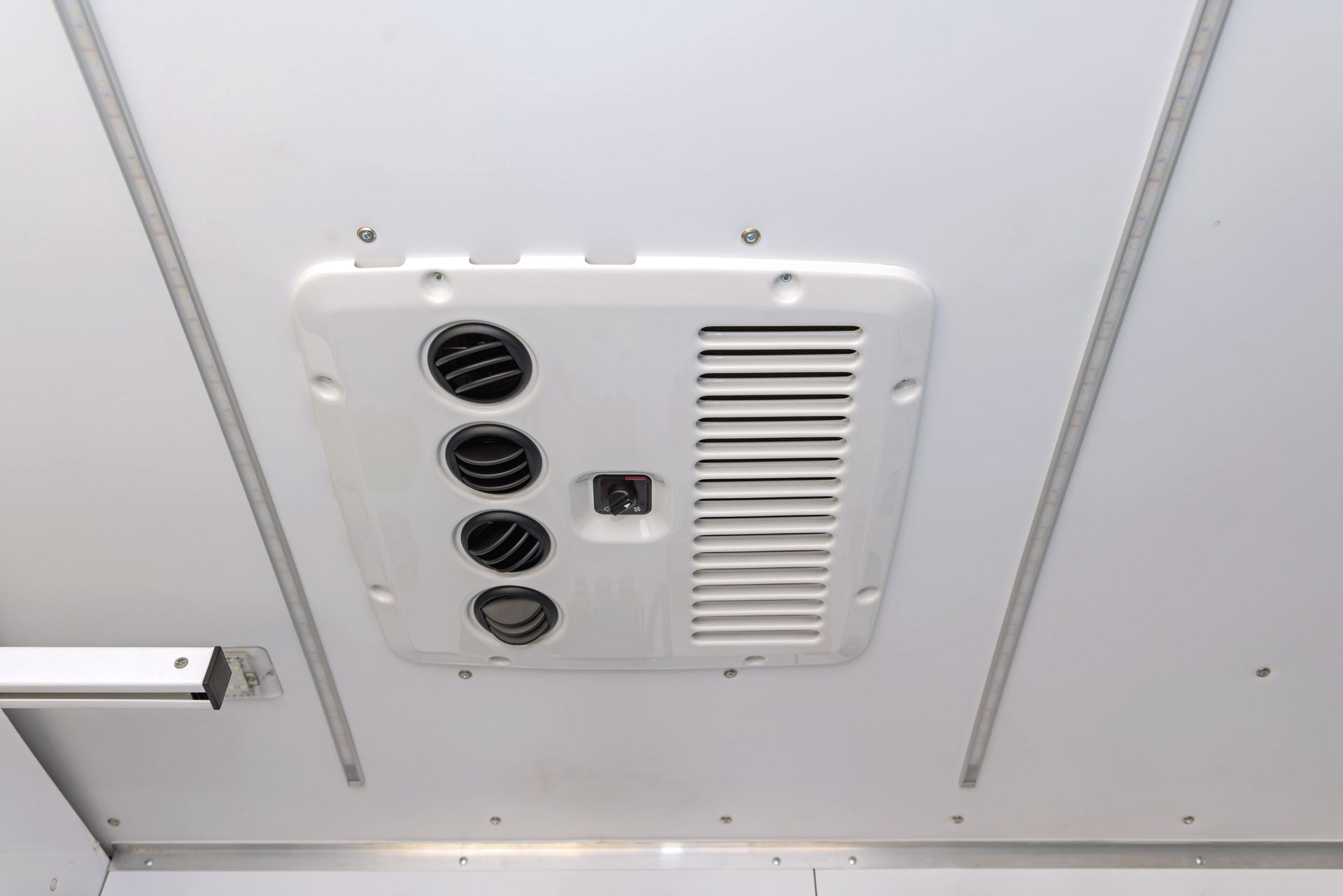
Overview of RV Furnace Services
High Country RV provides RV furnace services focused on the inspection, repair, and maintenance of propane-powered heating systems used in recreational vehicles. RV furnaces are responsible for producing and distributing warm air throughout the RV interior, making them essential for comfort and system stability during colder weather conditions.
RV furnace service involves evaluating ignition systems, fuel delivery components, airflow distribution, and safety controls to ensure reliable heat production. These systems depend on precise coordination between propane flow, electrical ignition, and ventilation, and any imbalance can affect heating performance or safety operation.
This service is particularly important for RV owners traveling in Flagstaff, Arizona, where colder temperatures and elevation changes can place increased demand on heating systems during seasonal use and overnight storage conditions.
RV Furnace Ignition and Combustion Systems
RV furnaces rely on controlled combustion processes to generate heat, requiring properly functioning ignition and burner systems for safe operation.
Ignition System Operation
The ignition system initiates the combustion process by creating a spark that lights the propane fuel. Faults in ignition components can result in delayed startup, intermittent heating, or complete system failure.
Burner Assembly Function
Burner assemblies regulate propane combustion and heat output. These components are inspected for flame stability, proper fuel distribution, and blockage caused by dust, debris, or carbon buildup.
Flame Sensing and Safety Controls
Flame sensors monitor combustion stability and confirm safe operation. If the flame is not detected, the system automatically shuts down to prevent unburned propane release.
Combustion Chamber Evaluation
The combustion chamber is inspected for residue buildup, corrosion, and airflow restriction. Proper chamber condition is essential for efficient heat generation and safe exhaust flow.
Air Distribution and Heating Flow Systems
Once heat is generated, RV furnaces rely on air distribution systems to move warm air throughout the RV interior.
Blower Motor Operation
Blower motors push heated air through duct systems. Motor performance is evaluated for speed consistency, noise levels, and electrical stability.
Ductwork and Airflow Channels
Air ducts are inspected for blockages, leaks, or disconnections that can reduce heating efficiency. Proper airflow ensures even heat distribution across all living spaces.
Vent and Register Functionality
Air vents and registers are checked for proper opening, closure, and directional airflow control. Restricted vents can cause uneven heating or system strain.
Air Circulation Balance
Balanced airflow ensures consistent temperature regulation throughout the RV. Uneven distribution may indicate duct issues or blower inefficiency.
Thermostat and Furnace Control Systems
RV furnaces depend on accurate control systems to regulate temperature and heating cycles.
Thermostat Accuracy and Response
Thermostats are tested for correct temperature readings and responsiveness. Faulty thermostats may cause overheating, underheating, or inconsistent cycling.
Control Board Functionality
Electronic control boards manage ignition timing, blower activation, and safety shutdown processes. Electrical faults in these boards can interrupt furnace operation.
Temperature Regulation Cycles
Heating cycles are evaluated to ensure the furnace turns on and off correctly based on temperature settings. Irregular cycling may indicate sensor or control issues.
User Interface Operation
Control panels are inspected for usability, responsiveness, and proper communication with furnace components.
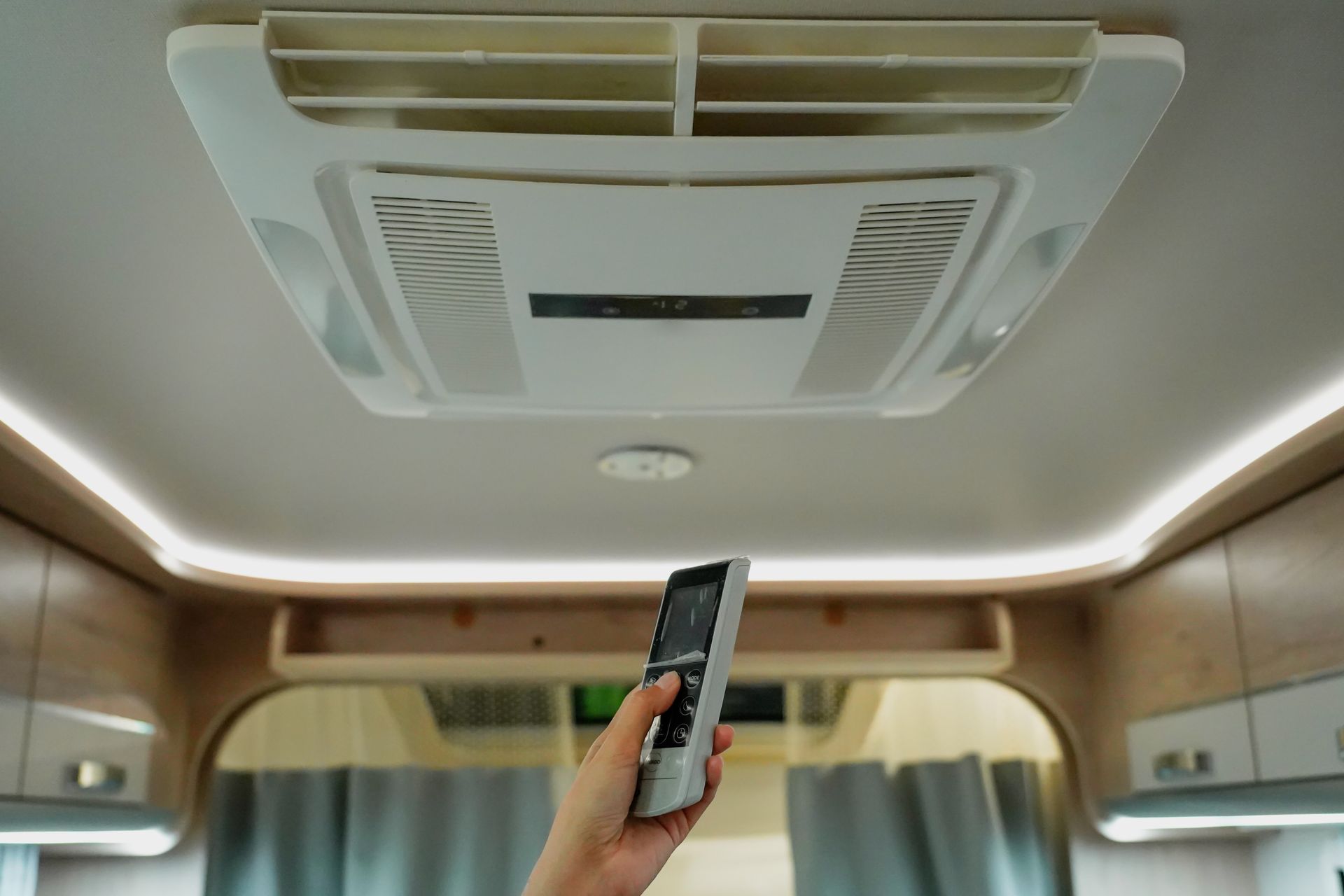
Propane and Electrical System Integration
RV furnaces rely on both propane fuel systems and electrical components to function safely and efficiently.
Propane Supply and Pressure Control
Propane lines, regulators, and valves are evaluated for consistent fuel delivery. Irregular pressure can cause weak flame output or furnace shutdown.
Electrical Ignition and Power Supply
Electrical systems power ignition modules, blower motors, and control boards. Wiring integrity and voltage stability are checked to prevent operational failure.
Safety Shutoff Systems
Automatic shutoff systems are tested to ensure furnace operation stops under unsafe conditions such as flame loss or overheating.
System Grounding and Connectivity
Proper electrical grounding ensures safe furnace operation and reduces the risk of electrical faults or inconsistent performance.
Furnace Diagnostics and Repair
RV furnace diagnostics involve identifying issues that affect heating performance, ignition reliability, or airflow efficiency.
Heating Performance Testing
Air temperature output is measured to ensure the furnace is producing consistent and adequate heat levels throughout the RV.
Ignition Failure Diagnosis
If the furnace fails to start, ignition components, fuel delivery, and control systems are evaluated to identify the root cause of failure.
Airflow Restriction Evaluation
Reduced heating performance is often linked to blocked ducts, malfunctioning blower motors, or restricted vents.
System Cycling Analysis
Furnace cycling behavior is reviewed to ensure proper start-up and shutdown sequences based on thermostat input.
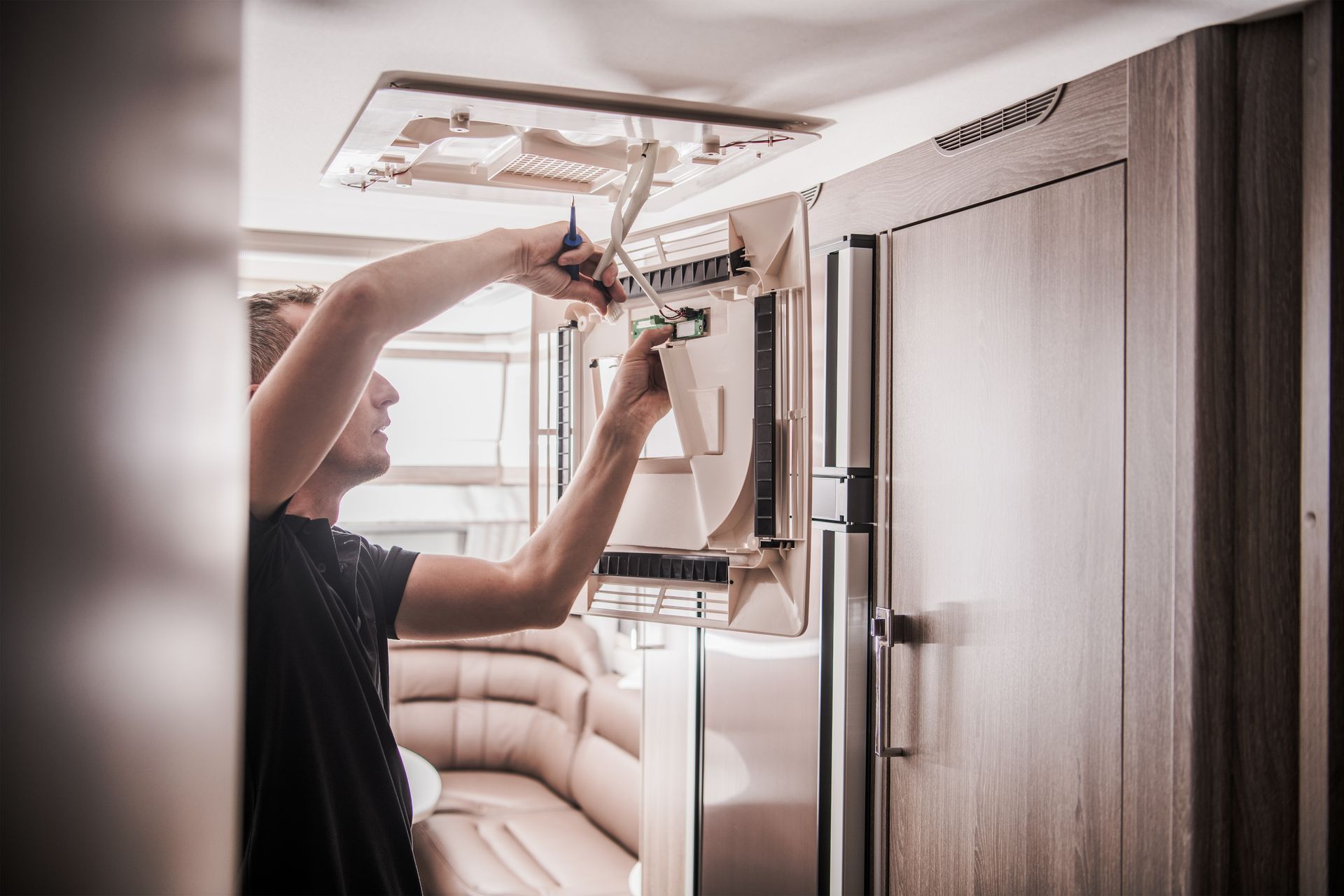
Maintenance and Preventive Furnace Service
Routine furnace maintenance helps ensure consistent performance and reduces the risk of unexpected heating failure during cold weather use.
Burner Cleaning and Inspection
Burners are cleaned and inspected to remove buildup that may affect combustion efficiency or flame stability.
Filter and Air Passage Cleaning
Air pathways are cleaned to maintain proper airflow and prevent strain on blower motors.
Electrical Connection Review
Electrical connections are inspected for corrosion, looseness, or wear that may impact system reliability.
Safety System Verification
Safety components are tested to confirm proper shutdown response and overall furnace protection functionality.
RV Furnace Service in Flagstaff and Mesa, AZ
RV furnace services provided by High Country RV are designed to support the heating demands of Arizona’s diverse climate conditions. In Flagstaff, colder temperatures and higher elevations place significant demand on furnace ignition systems, propane delivery, and airflow distribution. In Mesa, furnaces are typically used during seasonal cold periods, requiring reliable startup and efficient cycling after extended periods of inactivity.
Proper furnace service ensures consistent heating performance, safe propane combustion, and reliable operation during travel or storage across varying environmental conditions.