
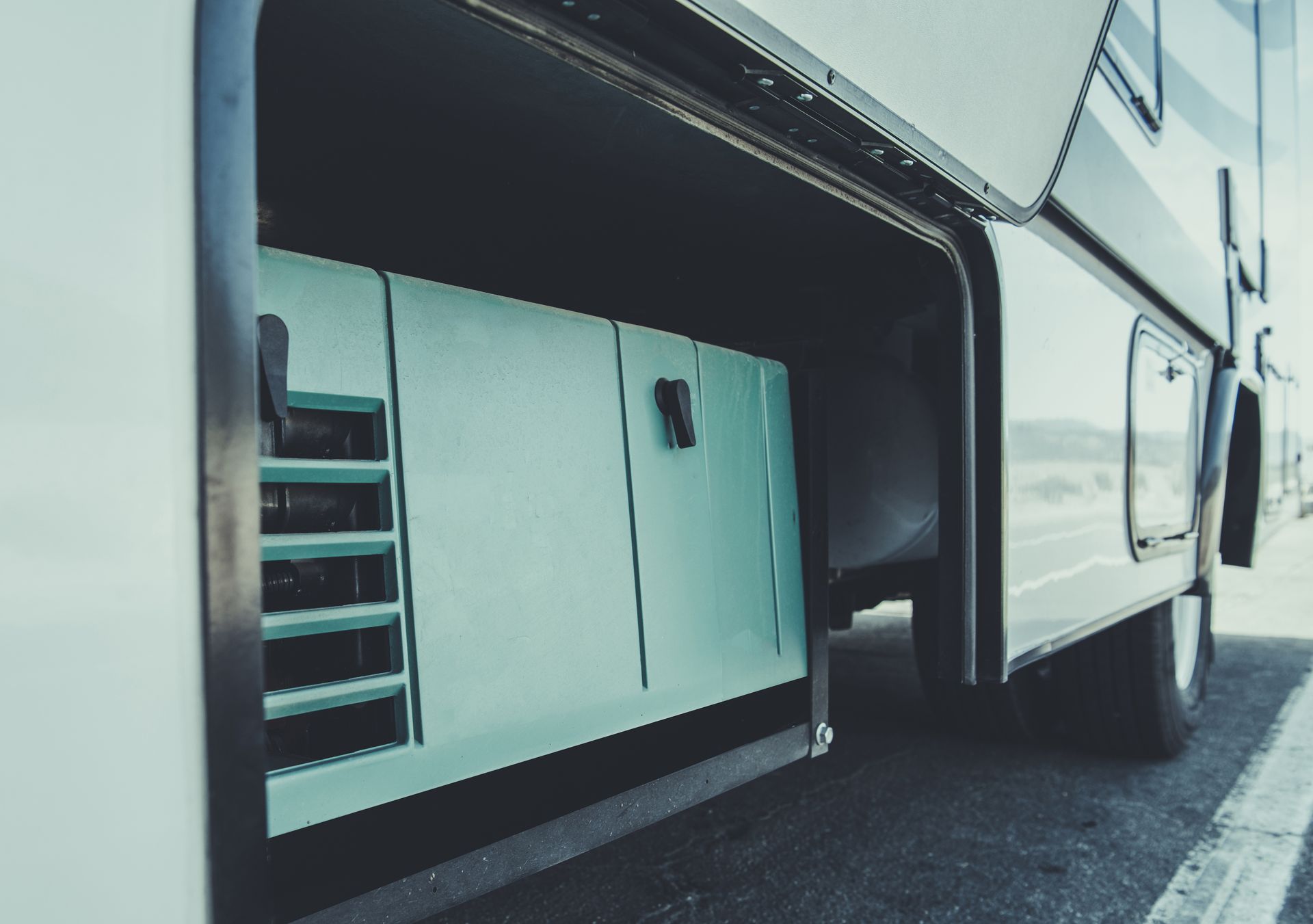
Overview of RV Generator Services
High Country RV provides RV generator services focused on the inspection, repair, and maintenance of onboard power generation systems used in recreational vehicles. RV generators supply independent electrical power when shore power is unavailable, making them essential for operating appliances, lighting, HVAC systems, and onboard electronics during travel or remote stays.
RV generator service involves evaluating engine performance, electrical output stability, fuel delivery systems, and load handling capacity. Because generators operate under continuous electrical demand, even small issues in fuel, ignition, or voltage regulation can affect overall RV power reliability.
This service is especially important in Flagstaff and Mesa, Arizona, where RV users often rely on generator power during dry camping, travel stops, and high-temperature conditions that require consistent operation of cooling and electrical systems.
RV Generator Power Production Systems
RV generators function by converting mechanical energy into electrical power through a controlled combustion process. Proper operation depends on fuel delivery, engine performance, and stable electrical conversion.
Engine Operation and Combustion
The generator engine burns fuel to create mechanical energy. Performance is evaluated through ignition reliability, combustion stability, and overall engine efficiency. Any irregular firing or hesitation can affect electrical output.
Alternator and Power Conversion
The alternator converts mechanical energy into usable electrical power. This process must maintain consistent voltage and frequency to safely power RV systems and appliances.
Voltage Regulation Systems
Voltage regulators control electrical output to ensure stable power delivery. Faulty regulation can result in surges, underpowered systems, or inconsistent appliance performance.
Load Handling Performance
Generators are tested under varying electrical loads to ensure they can support multiple systems simultaneously, including air conditioning, refrigeration, and lighting.
Fuel System and Energy Supply Components
RV generators rely on fuel systems that may use gasoline, diesel, or propane depending on configuration. Proper fuel delivery is essential for stable generator performance.
Fuel Line and Delivery Inspection
Fuel lines are inspected for leaks, blockages, and pressure consistency. Any restriction in fuel flow can cause engine hesitation or shutdown.
Carburetor and Fuel Injection Systems
Fuel delivery components such as carburetors or injectors are evaluated for proper atomization and flow efficiency. Clogging or wear can reduce generator output.
Fuel Tank Integration
Generator fuel systems are integrated with RV fuel storage systems. Proper tank connection and venting are checked to ensure consistent fuel supply.
Fuel Stability and Storage Effects
Long-term fuel storage can lead to degradation or separation, which may impact generator startup and performance reliability.
Electrical Output and Distribution Systems
The electrical output of RV generators must be stable and properly distributed to onboard systems for safe operation.
AC Power Output Stability
Alternating current output is measured for voltage and frequency consistency. Fluctuations can affect sensitive electronics and appliances.
Circuit Protection Systems
Breakers and fuses protect the RV from electrical overload. These components are inspected for proper function and load response.
Transfer Switch Operation
Automatic transfer switches manage power switching between shore power and generator output. Faulty switches can interrupt power flow or cause system conflicts.
Internal Wiring and Connections
Generator wiring is inspected for corrosion, wear, or loose connections that may disrupt electrical delivery.
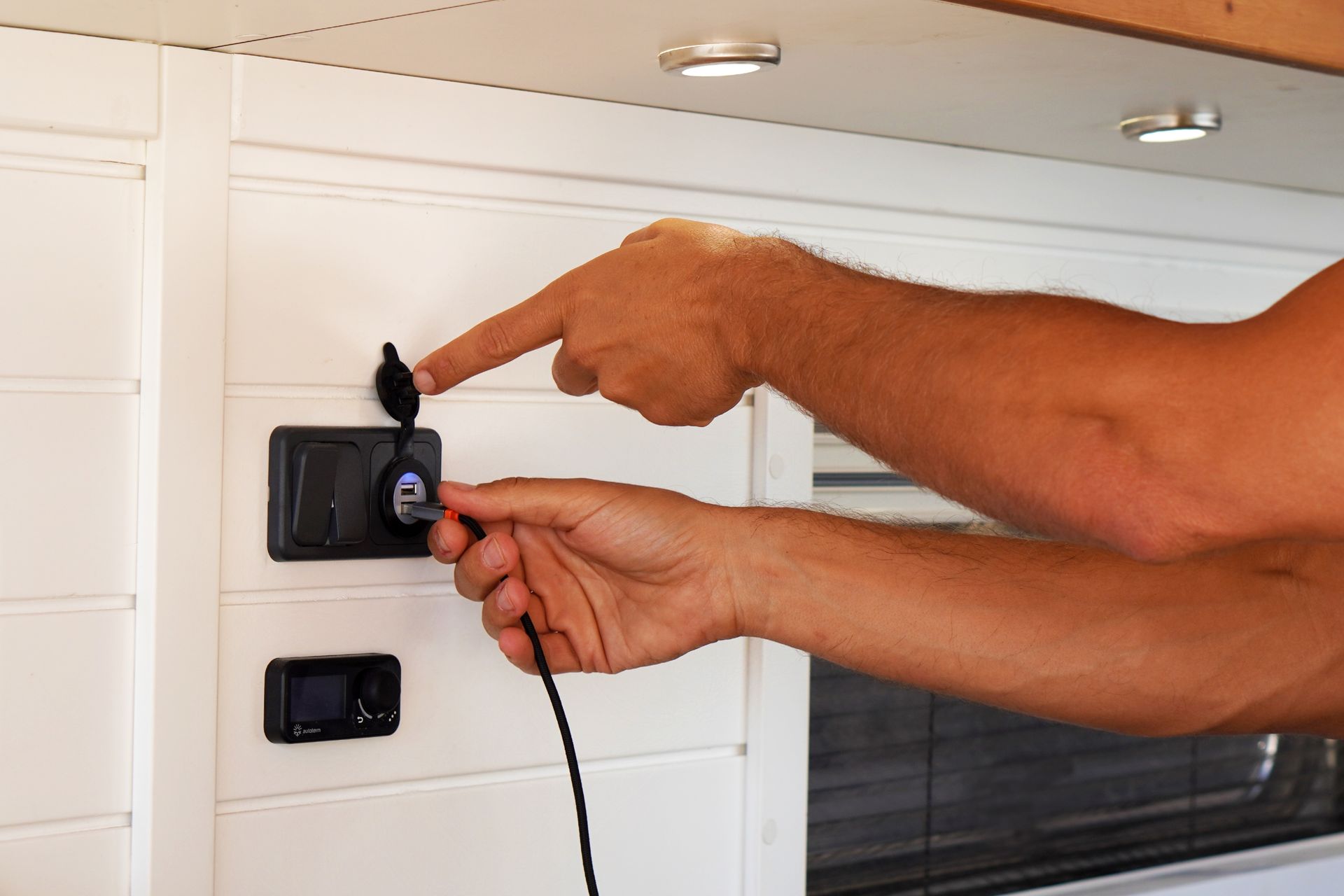
Generator Engine Maintenance and Repair
Generator engines require routine maintenance to ensure reliable startup and consistent performance under load conditions.
Ignition and Starting System Service
Starter motors, spark plugs, and ignition coils are inspected for reliable startup performance. Weak or inconsistent starting is diagnosed for electrical or fuel-related faults.
Cooling and Ventilation Systems
Generators produce heat during operation, requiring cooling systems to maintain safe temperatures. Fans and ventilation channels are inspected for airflow efficiency.
Oil and Lubrication System Maintenance
Engine oil levels and condition are evaluated to ensure proper lubrication. Dirty or low oil levels can cause overheating or engine wear.
Exhaust System Inspection
Exhaust components are checked for blockages, leaks, or excessive buildup that can affect engine performance and safety.
Generator Diagnostics and Performance Testing
Diagnostic testing ensures that generators are producing stable power and operating efficiently under real-world conditions.
Startup Performance Evaluation
Generators are tested for smooth and reliable startup cycles. Delays or failure to start are traced to fuel, ignition, or electrical issues.
Load Testing Procedures
Generators are evaluated under electrical load conditions to confirm they can support multiple RV systems simultaneously without voltage drops.
Voltage and Frequency Measurement
Electrical output is monitored to ensure consistent voltage levels and stable frequency required for safe appliance operation.
System Response Analysis
Generator response to changing electrical demand is evaluated to ensure stable adaptation to load fluctuations.
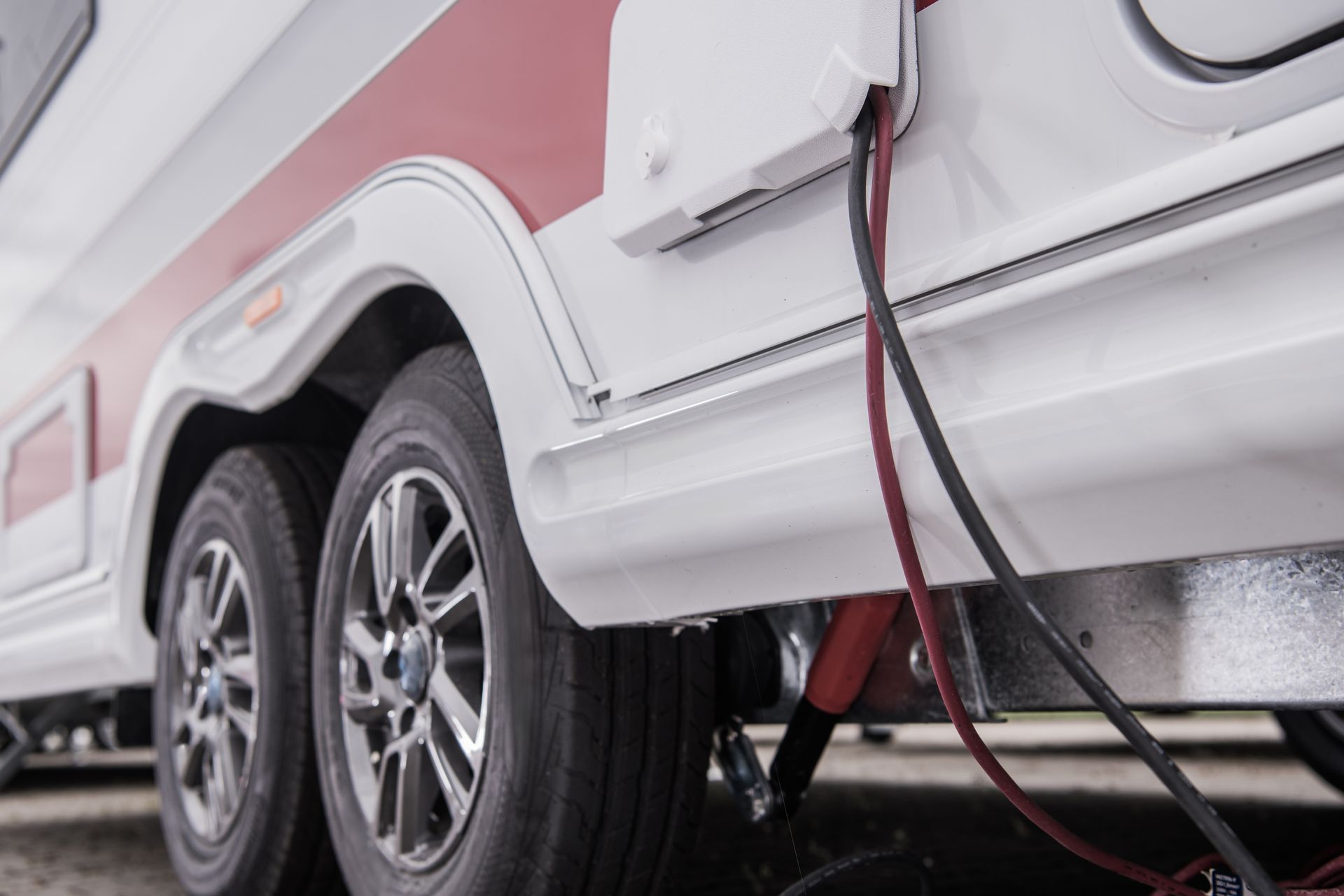
Preventive Maintenance and System Care
Routine maintenance helps extend generator lifespan and reduce the risk of unexpected failure during travel or remote use.
Air Filter and Fuel Filter Replacement
Filters are inspected and replaced to maintain clean airflow and fuel delivery, improving efficiency and engine performance.
Battery System Check
Starting batteries are tested for charge capacity, corrosion, and reliability to ensure consistent generator ignition.
Belt and Mechanical Component Inspection
Belts and moving parts are checked for wear, tension, and alignment to prevent mechanical failure during operation.
Electrical Connection Tightening
Electrical terminals and grounding points are inspected and secured to maintain stable power output.
RV Generator Service in Flagstaff and Mesa, AZ
RV generator services provided by High Country RV are designed to support the varied power demands of Arizona RV travel. In Flagstaff, generators are often used for extended off-grid camping in cooler conditions, requiring reliable startup and consistent power delivery. In Mesa, high heat conditions increase electrical demand for air conditioning systems, placing additional load on generator performance.
Proper generator maintenance ensures stable power output, reliable engine operation, and consistent energy availability for all onboard RV systems across diverse travel and environmental conditions.